Most building work on homes is charged at the standard VAT rate of 20 per cent, but new homes can be zero-rated and some conversions and renovations of long-empty homes can be charged at 5 per cent when strict conditions are met. The builder is the one who charges VAT, so you should ask them about their rate early in your project.
The short answer on VAT and building work
VAT is a tax charged by VAT-registered contractors on the materials they supply and the labour they provide. The builder decides the rate on their invoice, and you should ask them to state the rate and the reason on their paperwork. GOV.UK states that most work is charged at the standard rate of 20 per cent.
You may not have to pay VAT on some work, including building a new house or flat. You may be able to pay the reduced rate of 5 per cent for some work, including converting a building into a house or flats, or renovating an empty house or flat.
It is the builder's responsibility to apply the correct rate, but you should understand the rules so you can challenge a quote that looks wrong. Assuming you can avoid VAT with a cash deal is a mistake that leaves you with little paperwork to rely on.
When the standard 20 per cent rate applies
Most work to an existing building is normally standard-rated.
Builders price from drawings, which are the visual plans of the project, and a specification, which is a detailed list of materials and standards. They do not price from a cost per square metre. Per square metre figures are only a way to set an early budget, and published figures differ widely because some cover a basic shell and others a finished room.
When you receive a price for standard building work, you must factor in the standard rate of 20 per cent. You should also make clear what is normally outside a build quote. A standard quote usually excludes kitchens and bathrooms, flooring and decoration, professional fees, planning and building control fees, party wall costs and VAT at 20 per cent. Labour is a large share of any job, and London and the South East cost more.
A quote is fixed and an estimate is not. Accepting an estimate as if it were a quote is a common mistake that leads to budget overruns. A good builder will give you a written quote based on a schedule of works, which is a document listing every task in order. They will also include provisional sums, which are allowances for things that cannot be priced yet, such as specific light fittings or tiles.
Extensions and alterations to an existing home
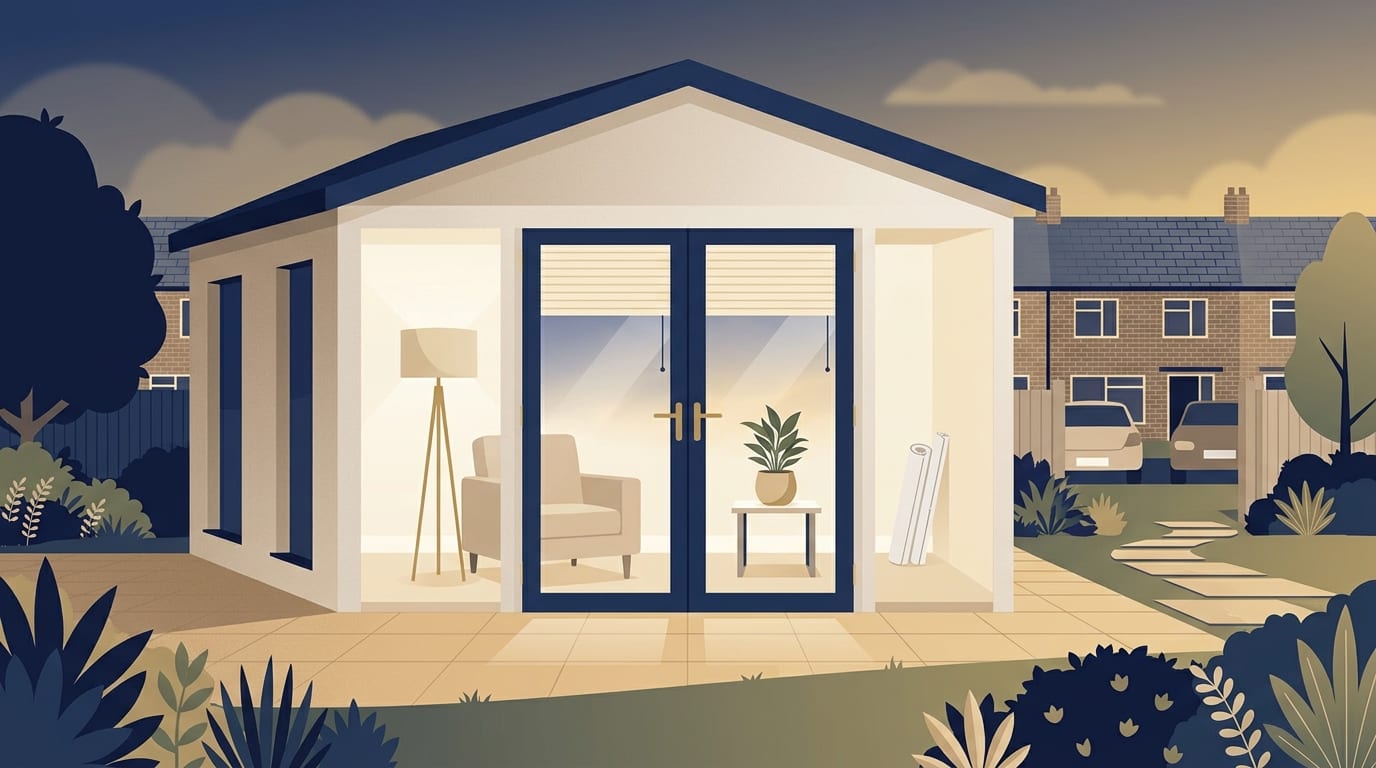
If you are planning a house extension, the work is normally standard-rated at 20 per cent. According to government rules, an extension is not zero-rated unless it contains an additional dwelling wholly within the extension and designed as a dwelling. If the new dwelling is partly or wholly inside the existing building, you cannot zero rate it under that section.
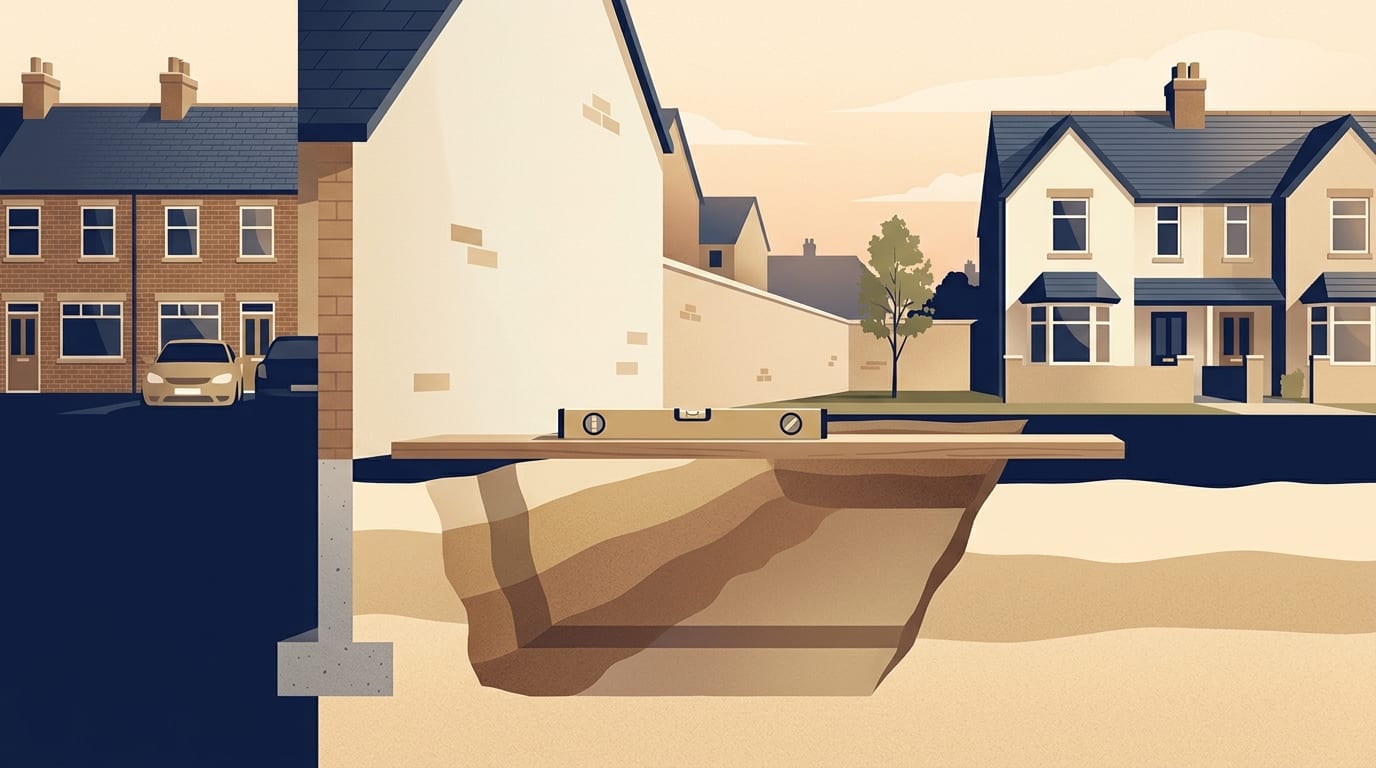
Before you start an extension, you must understand the permissions required. Planning permission and building regulations are two separate systems and many projects need one, both or neither.
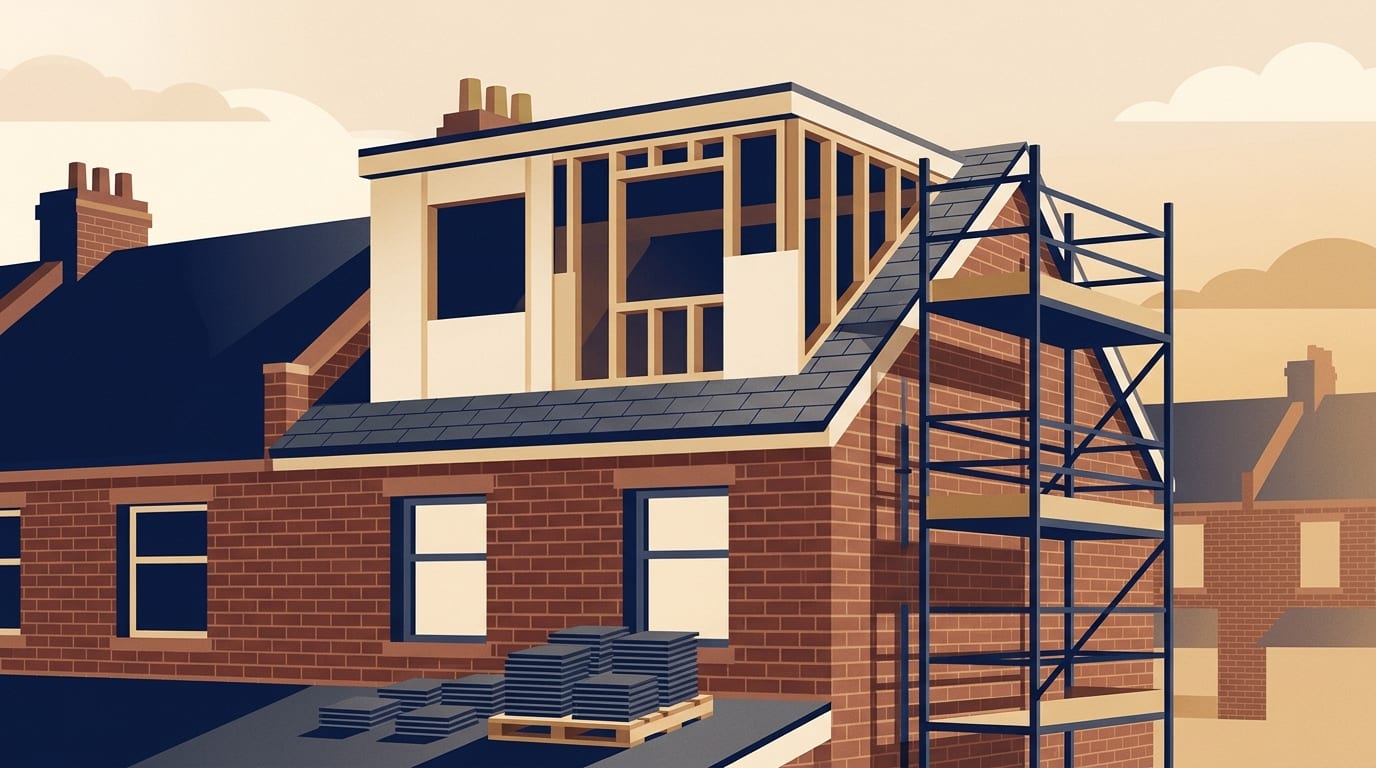
Many extensions and loft conversions on houses fall under permitted development, which allows work within set limits on size, height and position. Flats and maisonettes do not have these rights, and conservation areas, listed buildings and properties with planning conditions are more restricted. Larger single-storey rear extensions can go through prior approval. Most applications in England are decided within 8 weeks, and work must start within three years of permission being granted (five in Wales).
A lawful development certificate gives written proof that a project is permitted development. Structural work may need a structural engineer's calculations, and building control can tell you what your project needs.
The Party Wall etc. Act 1996 applies in England and Wales to work on or near a shared wall or boundary. You may need to give your neighbours notice before work begins. Work needing planning consent or building control approval that has not been granted is standard-rated for VAT, so getting your paperwork in order is essential.
New homes and the zero rate
The construction of a new qualifying dwelling and communal residential buildings is zero-rated. This means the builder charges 0 per cent VAT on that construction. Whether your project qualifies depends on the detail, so check with HMRC.
Building a new home requires a general builder or main contractor, who manages the site, and the subcontractors they bring in for specific trades like plumbing, electrical work or plastering.
The build process involves several distinct stages. The first major milestone is making the building weathertight, which means the roof is on and the windows and doors are sealed against the rain. After this comes first fix, which covers the hidden pipes and wires inside the walls. This is followed by second fix, which covers the visible finishes like electrical sockets, light switches, radiators and skirting boards.
Under the CDM Regulations 2015 a domestic client's health and safety duties normally pass to the builder. If you are demolishing an older property to build a new one, be aware that houses built or refurbished before 2000 may contain asbestos. This is a hazardous material that must be dealt with by competent people. Scotland and Northern Ireland have their own systems for building control and safety, so check locally if you live there.
Conversions and the 5 per cent rate
You may be able to charge VAT at the reduced rate of 5 per cent if you are converting premises into a single household dwelling, a multiple occupancy dwelling such as bedsits, or premises for a relevant residential purpose.
A qualifying conversion includes where the number of single household dwellings changes. The guidance also covers a property that has never been lived in, such as an office block or a barn. Whether a particular conversion qualifies depends on the detail, so check with HMRC.
The 5 per cent rate does not cover creating living accommodation that is not a single household dwelling, such as most granny annexes.
Building regulations approval is needed for conversions, extensions, loft conversions and most structural and services work. It comes from council building control or a registered building control approver. It can also come through a competent person scheme for certain trades, where the installer is approved to self-certify their work. Being told building regulations are not needed is a common scam used by cowboy builders.
Renovating an empty home at 5 per cent
The 5 per cent rate may apply if the work is on qualifying residential premises that have not been lived in for 2 years or more, immediately before the renovation works start.
The rules on what counts as empty are strict. Illegal squatting, occupation by guardians and non-residential use such as business storage do not count as living in the property. However, occasional use such as a second home does count, as living in the property.
If the property was empty for 2 years before work starts, all the work is reduced-rated even if someone moves in afterwards. The rate depends on the contractor being VAT registered. If your builder is not VAT registered, ask them how that affects the rate and the price.
This table shows the three main VAT rates, an example of the work, and the key condition required.
|
VAT rate |
Example work |
Key condition |
|---|---|---|
|
20 per cent |
Most work to an existing building, including an extension |
Applies unless a reduced or zero rate condition is met |
|
5 per cent |
Renovating an empty home |
Property empty for 2 years or more |
|
0 per cent |
Building a new house |
Construction of a new qualifying dwelling |
These are the rates in the GOV.UK guidance. Whether your project qualifies depends on the detail, and real quotes depend on design, ground conditions, access and finish.
What the reduced rate does not cover
According to VAT Notice 708, several things are excluded from the 5 per cent reduced rate. If your builder decides not to make an apportionment to separate these standard-rated costs from the reduced-rated costs, then none of your work can be reduced-rated.
The following items are strictly excluded from the 5 per cent rate and are charged at 20 per cent:
- The installation of goods that are not building materials, such as carpets or fitted bedroom furniture.
- The provision of professional services such as those provided by architects, surveyors, consultants and supervisors.
- Scaffolding, the hire of goods and landscaping around the property.
- Work needing planning consent or building control approval that has not been granted.
The DIY housebuilder refund scheme
If you are managing the project yourself and buying materials directly, you may be able to claim VAT back through a DIY housebuilder scheme if you meet the conditions below.
Self-builders with planning permission to construct a new dwelling to be used as a family home for themselves or relatives can claim a refund. This is not allowed if the home is intended for sale, letting or other business use.
You can only make a single claim, so you must keep all your receipts until the end of the project. For buildings completed on or after 5 December 2023 you must claim no more than 6 months after the building has been completed. For buildings completed before that date, the limit is 3 months. The only goods you can claim for are building materials. Carpets, most electrical appliances and freestanding furniture are excluded.
A conversion refund works similarly. You can claim a VAT refund once if you are building or converting your own property for you or your relatives as a family home, for residential or holiday use, and not for a business purpose. A conversion takes place when you only use the non-residential parts of the building to create your new dwelling. You are not eligible if the conversion has non-residential and residential parts.
Checking your builder's VAT paperwork
Choosing a builder on price alone is a common mistake, especially if that price relies on avoiding tax. A builder offering a cash price to avoid VAT is a warning sign. Cash deals offered without VAT or paperwork leave you with no proof the work was done and no guarantee if things go wrong. Learning how to find a good local builder will help you spot these risks early.
Citizens Advice states that you should pay for the work by debit or credit card if you can, and you should not pay with cash. They also advise avoiding traders who only accept cash or want you to pay everything upfront. Large cash deposits can be a sign of a builder who takes on more jobs than they can staff. Paying by credit card can give you Section 75 protection, which has limits on the price of the item.
Always ask for three written quotes against the same drawings and ask to visit finished jobs. Ask for proof of insurance. Ensure the quote sets out stage payments tied to progress and a final payment on completion. You should hold back the final instalment until snagging is done and the certificates are issued. Snagging is the process of finding and fixing minor defects, like scratched paint or sticking doors, at the end of the job. Paying the final instalment before snagging and certificates are done is a major mistake.
Be aware of variations, which are changes after the price is agreed. Changing the design mid-build without agreeing the cost in writing will cause your budget to run away. You should also keep a contingency, which is a reserve fund for things that cannot be priced yet or unexpected problems in the ground.
The Consumer Rights Act 2015 requires builders to provide work with reasonable care and skill, at a reasonable price and within a reasonable time where none was agreed. You have a 14-day cooling-off period for contracts agreed at home, by phone or online.
Look for trade schemes that vet their tradespeople. The Federation of Master Builders vets and independently inspects members. TrustMark is the government-endorsed quality scheme. Gas work needs a Gas Safe registered engineer and electrical work a registered electrician. You should confirm membership on the scheme's own register and treat it as a good sign, not a guarantee.
You must also ensure you get a completion certificate from building control, because the completion certificate matters when selling. Councils can now take enforcement action for up to ten years if you breach building regulations. Not telling your home insurer about the work is another common error, so ask in writing what is covered during the works.
Where to check your own project
VAT rules are strict. You should not assume your project qualifies for a lower rate just because it sounds similar to the examples above. If you are unsure whether your project qualifies for the 0 per cent or 5 per cent rate, you should check with HMRC, an accountant or a VAT adviser. Never guess the rules when planning a major budget.
Common questions
Do I pay VAT on a standard house extension?
Yes, an extension to an existing home is normally standard-rated at 20 per cent. The guidance allows the zero rate for the part of an extension that contains an additional dwelling wholly within the extension and designed as a dwelling. Check with HMRC for your own project.
Can a builder charge VAT if they are not registered?
VAT is charged by VAT-registered contractors, and the rate depends on the contractor being VAT registered. If your builder is not registered, ask them how that affects the price on your quote.
Are architect fees zero-rated for new builds?
Professional services such as those provided by architects, surveyors and consultants are excluded from the 5 per cent rate. Whether they can be zero-rated on a new build depends on the conditions in the guidance, so check with HMRC or a VAT adviser.
Does a granny annexe qualify for 5 per cent VAT?
The 5 per cent rate does not cover creating living accommodation that is not a single household dwelling. Most granny annexes fall into that group. Check with HMRC for your own project.
Next steps
Before you hire a builder and agree to a final price, you should get your paperwork in order to ensure you pay the correct amount of tax.
- Ask your builder to confirm their VAT registration status and state the exact VAT rate on their written quote.
- Check if your project needs planning permission or building regulations approval, as work without granted approvals is standard-rated.
- Confirm that your structural engineer's calculations and drawings are complete before asking for fixed prices.
- Set aside a contingency fund to cover variations and unexpected costs during the build.
- Tell your home insurer about the planned work to ensure your policy remains valid while the builders are on site.
Taking the time to understand how your builder prices the job will protect your budget and prevent hidden extras. When you have your drawings ready and know which VAT rate applies to your project, you can find a builder near you to request detailed, written quotes.
Find a top rated builder near you
3,554 builders across the UK, each ranked on their Google rating and the number of reviews behind it. Start with your county: